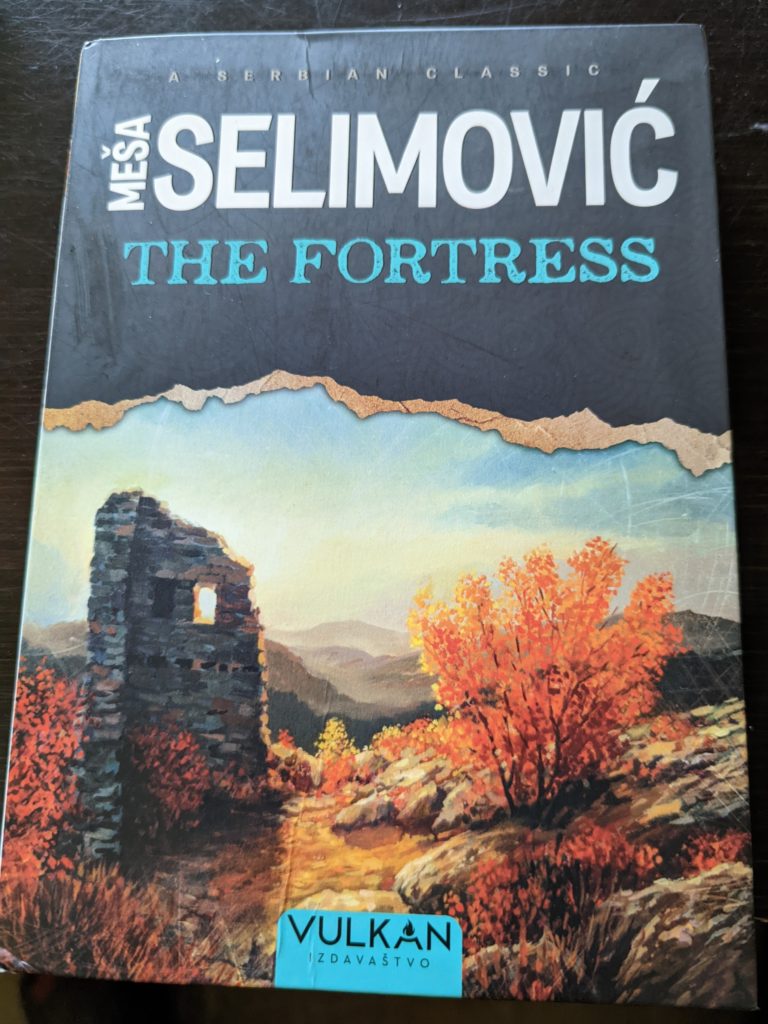
Check out other work in the Bookshelf series here.
Check out other work in the Bookshelf series here.
es mus sein was one of my yearbook quotes
It was so awful and loveably me.
I had read Kundera’s Unbearable Lightness of Being
and was impressed by a passage in which he riffs on it.
I wasn’t sure what it meant
but was sure it was deep
terribly deep
and more important
nobody else would know either
In the mot juste of es mus sein
the yearbook staff assigned to quotes
took my desire to be smarter than I was
south of the border
and so under all the angsty things I wrote stands:
Es mus seino — It must be-o
Check out other work in the Practicing My Writerly Gaze series here.

Check out other work in the Light series here.
I remember saying
to a friend
in high school
nothing is true
which troubled me
isn’t that a truth?
he asked in response
making it even worse
for while
it seems in the realm of possibility
that nothing is true
language can’t be made to say it
to be a speaker at all
you are committed to the existence
of at least one truth
it doesn’t seem fair
that language should so encumber the world
Check out other work in the Uncollected series here.
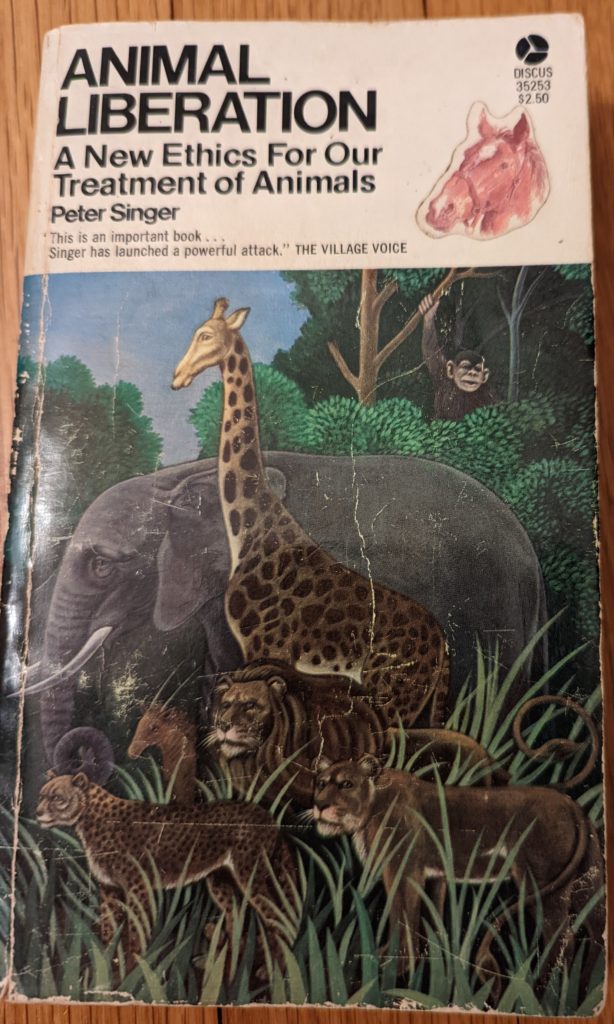
Check out other work in the Bookshelf series here.
Could a national defense strategy be predicated on cultural achievement and nonviolent civil disobedience? Of cultural achievement, I’m thinking of examples like China, ancient Greece, and Blacks in the American South. All having lost political power, but culturally conquering their victors. Of civil disobedience, I’m thinking of the examples of India and Norway. Both of which were able to repel invaders.
Check out all the work in the collection: The Social Unit

Check out other work in the Light series here.
It’s like getting three wishes and wishing for less wishes.
It’s like designing a flag the exact same colour as the sky.
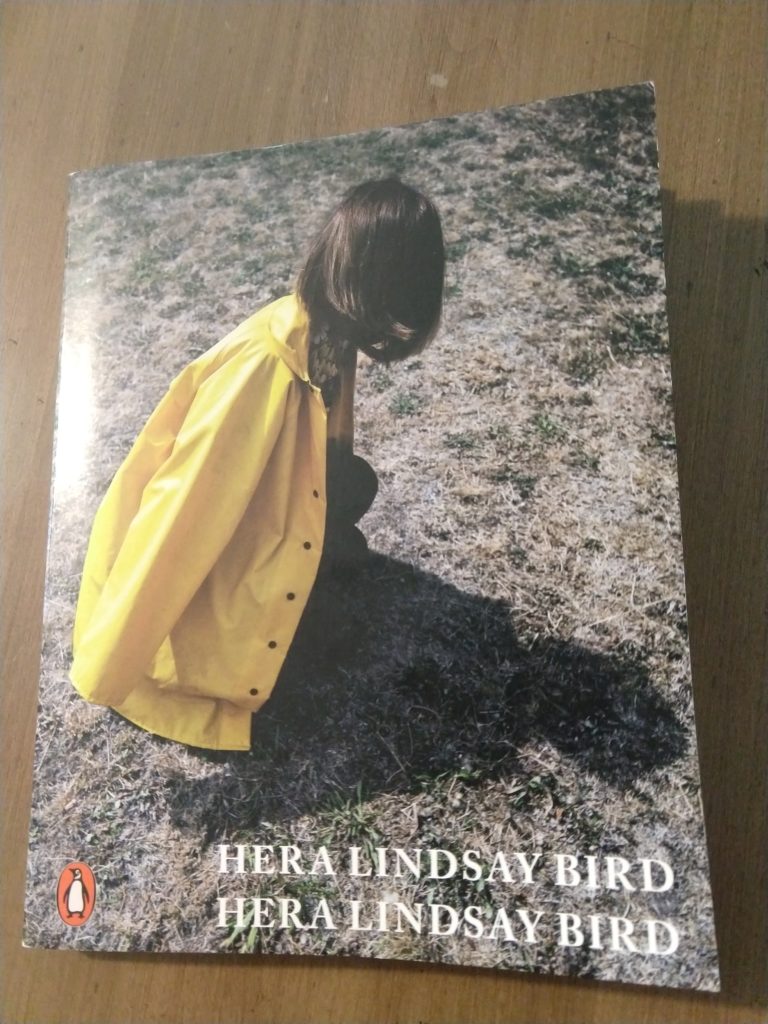
How does she think of these?
It would seem she walks around with brilliant similes
looking for antecedents.
They are so good that the similes have stopped serving
their objects and strut around in sequins
while everything she tries to speak about
slouches in khaki.
A few stats,
in her first two collections,
there are over 500 similes,
that is on average 6 similes per poem.
211 similes for love,
125 similes for sex.
And it should be mentioned
a strange preponderance of kites and telescopes.
If you are ever lost,
and aren’t sure what poem your are in,
look around and if there is a simile about
love or sex, and a kite floating oddly above,
then there is a 98% chance you’re in a Hera Lindsay Bird poem.
Check out other work in the Practicing My Writerly Gaze series here.

Check out other work in the Bookshelf series here.
Check out other work in the Uncollected series here.

Check out other work in the Light series here.
Are we at the point where it is technically possible to assess sales tax and pay fines in a progressive manner? With electronic payments, it would seem to be easy enough to scale sales tax and fines as a percent of one’s income.
Check out all the work in the collection: The Social Unit

Check out other work in the Bookshelf series here.
people say words
but they don’t mean them
people write words
and they don’t mean them either
does poetry have a loafing problem
in the cladogram of poetry
who is the first beast on your branch
or are you trying to negotiate
a new limb
let critics scoff at your poetry
let friends, husbands, wives, and parents
scoff at your poetry
it is living with compliments
that’s excruciating
can one write poetry
without being a poet
Check out other work in the Practicing My Writerly Gaze series here.

Check out other work in the Light series here.
I miss the future maybe more than the past
what was to be and now will not
tragically gliding forward and away from us
there were happier men in that future
there was justice in that future
and most of all there was great poetry
can we bring it back forward
or is it gone forever
men will never have the character and intellect
that was to be so
being of the future
this loss cannot technically be
a fall from grace
but being so close to realization
it feels we really did lose something
and now that wisdom, gentleness, and peace
is never to be had, or almost had, again
Check out other work in the Uncollected series here.

Check out other work in the Bookshelf series here.
Would a tax regime that is completely Pigouvian work? The US government already uses the tax code to incentivize certain prosocial behaviors. But it still taxes income, which presumably we don’t want to discourage. It also taxes consumption which isn’t necessarily antisocial either. Why not use the tax system to guide citizens toward society’s benefit?
Check out all the work in the collection: The Social Unit
Check out other work in the Light series here.
Father Zossima’s body starts to smell
ambition whispers
around the bed
an acolyte opens a window
people gather.
we are told the stench is sin
and so, to return to our story
I’m in love with my wife
when she sleeps,
I’m in love with the world
when it sleeps,
and I love, faltering,
but still love Father Zossima.
Check out other work in the Practicing My Writerly Gaze series here.

Check out other work in the Bookshelf series here.
four paws,
in this trap again
are we?
let’s not begin with goodbye
you know the interesting thing
about collision–
it’s so mutual
stop trying to right the wrongs
of law and love
the children of man
are naked and featherless
feeble and querulous
and you want to be
Moses on a motorcycle
don’t think it isn’t a junkie fall
many wish life was
one long blow job
but there are dimes
on the eyes of the walking
there is a poetry
to that kind of blindness
the world says no,
and all they hear is yes, yes, yes
four paws, listen to me
this net is a visible sign
of my continued support
it’s old sad music
always comes into major
sometimes the second chance
comes first
there are opportunities here
for a comfortable earth
and sumptuous heaven
there is now parking
free parking
in Jerusalem
Check out other work in the Uncollected series here.

Check out other work in the Light series here.
Almost all social units articulate a sense of progress in outcome and process. Humans want to play “fair” and live in a social unit whose outcomes are “fair”. Both of these require coercion. Following up on note 4, I have been thinking about a system for improving our coercions. The ladder of coercion has four broad rungs: Thayler-style nudges, pigouvian taxation, fines, and violence. These run from the least to most onerous forms. The idea for whatever social target you want to hit is to simply never use a more onerous form of coercion than is necessary.
Check out all the work in the collection: The Social Unit

Check out other work in the Bookshelf series here.
electric, immovable
she writes,
a voice that scares her
an honesty
that beads and freezes
on the pane
Check out other work in the Practicing My Writerly Gaze series here.

Check out other work in the Light series here.
Turned away from heaven
I went to the underworld
But the Devil said
My company for eternity
Would be “onerous”
And that is how second hell started
I called to the cloying
The grating, the unambitiously mean
With no small pride
I say we are many
The double-parkers, the naggers,
the peg-backers.
Artists of self-pity and blame
Those that do not return shopping carts
Gossips, click-baiters,
know-it-alls, and do-nothings.
We are legion
Check out other work in the Uncollected series here.

Check out other work in the Bookshelf series here.
Nobody comes. Nobody calls. (33)
#Reader/Protagonist
This is not the Collector’s first collection.
At the age of seven, Giambattista Vico fell from a ladder and fractured his skull so severely that his parents were told to anticipate feeblemindedness. (34)
#DMGuidetoIllustriousPersons
Where, this isolation? (35)
#Reader/Protagonist
Check out other posts from the Markson Project here.

Check out other work in the Paint Chips, Cracks, and Decay series here.

Check out other work in the Bookshelf series here.
Severn, lift me up, I am dying. (27)
Don’t breathe on me, it comes like ice. (28)
#DMGuidetoIllustriousPersons #DMquotations #ThisIsTheEndMyFriend
Both 27 and 28 are deathbed utterances by John Keats as recorded by friend and hospice nurse Joseph Severn.
The world is my idea. (29)
#DMGuidetoIllustriousPersons #DMquotations
The opening proposition to Arthur Schopenauer’s The World as Will and Idea.
Saint Augustine said his first teacher was also the first person he ever saw who could read without moving his lips. (30)
#DMGuidetoIllustriousPersons
Always confusing: Aquinas and Augustine.
Saxo Grammaticus (31)
#DMGuidetoIllustriousPersons
It is not impossible that the young actress Molière married when he was forty, and with whose family he had been closely connected in the theater for years, was his own illegitimate daughter. (32)
#DMGuidetoIllustriousPersons
Check out other posts from the Markson Project here.
One problem might be that not all racial slurs are equally charged? Compare nigger and mick.
Check out other work in the Racists of America series here.

Check out other work in the Paint Chips, Cracks, and Decay series here.
Protagonist? (25)
Perhaps someone from a shop Protagonist had stopped in at, a clerk? Or merely someone in a friendly mood in passing? (26)
#Reader/Protagonist
Check out other posts from the Markson Project here.

Check out other work in the Bookshelf series here.
looking up from my book
to watch words
rain through the window
is it nonsense to say
that art is only prelude
Check out other work in the 17/18 Poems series here.

Check out other work in the Paint Chips, Cracks, and Decay series here.
Whatever purpose Snevets had in committing these crimes, it started to weigh on him. His later jobs were more workman-like and earnest. He increasingly regarded his job as gravely important–more than that, critical for the world. That is a lot of weight on one’s shoulders. To tell you the truth, I missed the playfulness of his earlier crimes when he would do things with words just because he could. Sometimes it felt like he was as surprised as we were, like he was discovering himself. If he hadn’t made a fool of me so many times, I would have really enjoyed it.
Check out other posts from The Snevets Stories here.

Check out other work in the Light series here.
The idea that RAC members use racial slurs in meetings. Transgressing the taboo on those words helps members not lapse back into impression management.
Check out other work in the Racists of America series here.

Check out other work in the Paint Chips, Cracks, and Decay series here.
At one point we had Snevets surrounded in a library downtown. And not just with a unit this time. He was swarmed. We are talking Billy the Kid swarmed–at least 100 men. There were hostages inside so we were being extra cautious though. I’d never known Snevets to carry a firearm, but he was somehow controlling the library staff and the patrons inside. He had one standing in each window to prevent our snipers from getting off a shot. We called in to the circulation desk from our command tent outside. Snevets picked up. He sounded funny, but that was because we masked his audio with a filter so he couldn’t slow us down with his sonorous speech powers. We informed him there was no escape. He was surrounded by at least 100 men. He nonetheless persisted, claiming that no one would be hurt, and he would send a list of demands within the hour. I was cautiously optimistic. We had him dead to rights, but I also knew that being in a library would only fuel his powers.
After forty-five minutes, the front door of the library opened. A man hesitantly slid out, his arms raised with a note in his right hand. We searched the hostage list and identified him as Ramon Santo. Ramon yelled not to shoot. Our men lowered their weapons and a team of five SWAT members readied their shields. Ramon was pale, hardly breathing as he walked down the thirteen stone steps. As soon as he made the sidewalk, SWAT rushed forward to envelop him in shields and rush him away. Once the hostage was secured, I breathed deeply.
They brought Ramon to our command tent. He handed me a note in Snevets’ barely legible scrawl. His mastery of the powers of language did not somehow extend to penmanship. The note demanded a car to the airport and a private jet to Havana.
Before I responded I questioned Mr. Santo, I asked, is Snevets armed? He said no. Ramon said Snevets had somehow subdued them all by playing some music over the library PA. After that everyone was scared but just complied with whatever order Snevets gave them. It was curious. What kind of music was it? Ramon wasn’t sure. All he gave us was that it was a woman singing. Before I could ask anymore questions, I heard shouts from outside the tent. I ran to the flap. Other hostages had started coming out. The first few cautiously and after that the rest hurrying to the safety of the surrounding officers. The lawn in front of the library was a chaos of SWAT and hostages. I yelled at the men to maintain their perimeter for all the good it did.
It took us a half an hour to account for all the hostages. What could Snevets be playing at? In another fifteen minutes, I organized the SWAT team to take the library. I told them not to shoot unless it was to save some hostage we weren’t aware of. We needed Snevets alive. I needed him alive–there were so many questions. I was tense. This was my moment, but I had been disappointed too many times to feel confident. In went the doors. The men rushed through. Within twenty minutes they’d cleared the whole building, ventilation shafts and all– no Snevets.
We huddled at the circulation desk with the floor plans. There was no way to explain this. I knew better though. I ordered a BOLO of the surrounding area and forensics to go through the library. I didn’t have any real hope though. Snevets was gone. Walking back to pack up the operations tent, I contemplated a handwriting analysis of Snevets’ list of demands since his power was so tied up with language. That might actually tell us something useful. However, back in the tent, the desk was empty. No note. I asked around, nobody had touched it. A thought flashed through my head. I laughed and dismissed it. No way, that’s too much, even for Snevets.
Check out other posts from The Snevets Stories here.
His life evidently static. Alone, seemingly without occupation or achievement, his means meager.
Emptiness. (23)
#Reader/Protagonist
Anthony Trollope said he had read Fenimore Cooper’s The Prairie at least three dozen times. (24)
#DMGuidetoIllustriousPersons #DMBookshelf #GreatsOnGreats
The Vespertilius Horribilis Americanus
Check out other posts from the Markson Project here.
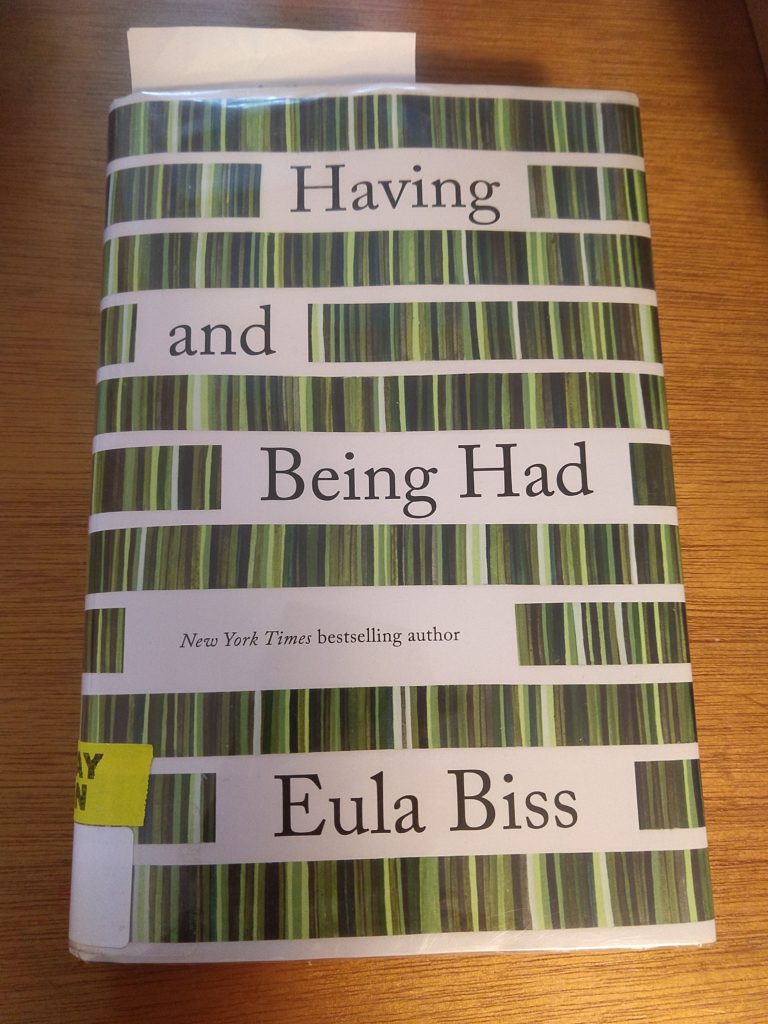
Check out other work in the Bookshelf series here.

Check out other work in the Paint Chips, Cracks, and Decay series here.
Fighting with his wife, drunk, Paul Verlaine once threw their three-month-old son against a wall. (19)
#DMGuidetoIllustriousPersons #Drunk
Thumbed pages: read and read. Who has passed here before me? (20)
#Reader/Protagonist
Saint Thomas Aquinas was an anti-Semite. (21)
#DMGuidetoIllustriousPersons #Bigotry
The first of many.
Only Bianchon can save me, said Balzac, near death.
Bianchon being a doctor in Le Père Goriot. (22)
#DMGuidetoIllustriousPersons #DMCastofCharacters #DMBookshelf #ThisIsTheEndMyFriend
How’s our Mandarin?
Check out other posts from the Markson Project here.
I could have the main character be a huckster that just hits on the idea and is converted by it. Someone like Ron Woodroof in Dallas Buyers Club: someone just trying to figure out race for himself, but discovers a desperate hunger in the white community for something more real.
Check out other work in the Racists of America series here.

Check out other work in the Bookshelf series here.
when the poem makes me uncomfortable
I congratulate myself
when the poem doesn’t beg
and doesn’t scold
and is never memory’s fool
I am pleased
when it has an upright zeal
but doesn’t make my teeth hurt
I sign it without regret
Check out other work in the 17/18 Poems series here.
Gray’s Elegy is 128 lines long. Gray spent seven years writing it. (15)
#DMGuidetoIllustriousPersons #DMBookshelf #Numbers
If forced to choose, Giacometti once said, he would rescue a cat from a burning building before a Rembrandt. (16)
#DMGuidetoIllustriousPersons #Fires #GreatsOnGreats
I am growing older. I have been in hospitals. Do I wish to put certain things down? (17)
Granted, Reader is essentially the I in instances such as that. Presumably in most others he will not be the I at all, however. (18)
#Reader/Protagonist
Check out other posts from the Markson Project here.

Check out other work in the Uncollected series here.
At some point in the investigation, years long now, it was clear–Snevets was himself pursuing something. What it was I couldn’t say. Originally I thought of each of his crimes as separate, but the Florida jobs, the jar in Tennessee, the Carolinas, and even Geneva were all building to something. The further Snevets went, each job needed the others more and more to make sense. If I could figure it out, I might be able to create the prison of mind I needed to catch him. Whatever the end game was for Snevets it obviously had existential import.
Check out other posts from The Snevets Stories here.

Check out other work in the Paint Chips, Cracks, and Decay series here.
I need scenes.
Check out other work in the Racists of America series here.

Check out other work in the Light series here.

Check out other work in the Bookshelf series here.
Anna Akhmatova had an affair with Amedeo Modigliani in Paris in 1910 and 1911. Late in life, not having left Russia again in a third of a century, she would be astonished to learn how famous he had become. (11)
#DMGuidetoIllustriousPersons #DMTimeline #DM Map
Rule: read the wiki article of any person mentioned.
In 1579, when Shakespeare was fifteen, the population of Stratford would have been little more than fifteen hundred. Is it a safe assumption that he knew the woman named Katherine Hamlet who fell into the Avon that summer and drowned? (12)
#DMGuidetoIllustriousPersons #DMTimeline #DM Map #Speculation
Emily Dickinson became so extravagantly reclusive in the second half of her life that for the last ten years she did not once leave her house. (13)
#DMGuidetoIllustriousPersons #OnlyTheLonely
Even among the most tentative first thoughts about a first draft, why is Reader thinking of his central character as Reader? (14)
#Reader/Protagonist
Check out other posts from the Markson Project here.
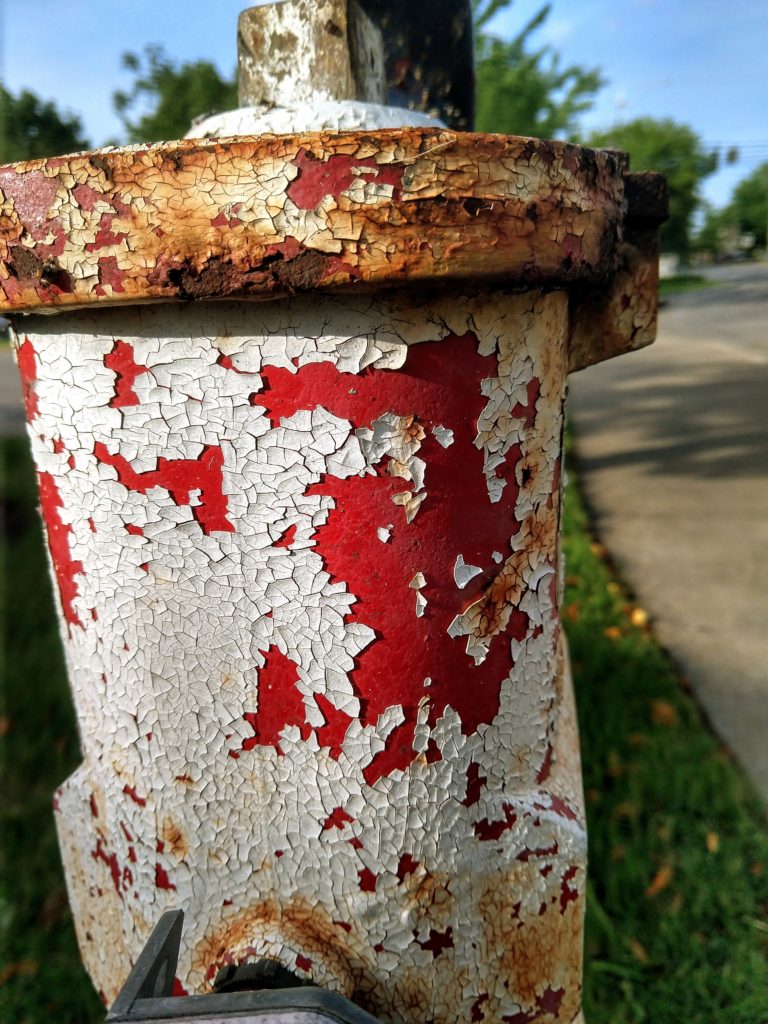
Check out other work in the Paint Chips, Cracks, and Decay series here.
It’s hard to tell how dangerous a man like Snevets was. He definitely committed crimes, at least by the book. But were they crimes in spirit, his miscellany of violation? I’m not sure? That is perhaps why we chased him so hard? Neither his intention nor effect was clear. He was no counterfeiter, no thief, his methods were otherworldly, but certainly no grift. We were left to imagine his crimes and attribute sinister intent. Why did we pursue him? It could be, in the end, his only crime was not giving us answers?
Check out other posts from The Snevets Stories here.
Check out other work in the Bookshelf series here.
on bridges coming
to the break
I remained
windless
mindless
caution in the rain
Check out other work in the 17/18 Poems series here.
The show The Office has a diversity day episode. It was so hard to watch until Kelly slapped Michael, and it somehow got real.
Check out other work in the Racists of America series here.

Check out other work in the Paint Chips, Cracks, and Decay series here.

Check out other work in the Paint Chips, Cracks, and Decay series here.
I have come to this place because I had no life back there at all. (7)
I have, Reader has? (8)
Reader has come to this place because he had no life back there at all. (9)
Miffed, I was to be Reader.
Someone nodded hello to him on the street yesterday. (10)
#Reader/Protagonist
Check out other posts from the Markson Project here.
I shot at Snevets once. He looked hurt. The bullet went ten feet over his head. It was only a warning. But that look back; I will never forget his face. He was disappointed in me. I don’t know why? Why did he think we carried guns? There was something deeply conservative about him for all his flaunting of the law. And yet, the power of that look was such, I never shot at him again.
Check out other posts from The Snevets Stories here.

Check out other work in the Bookshelf series here.
I heard once in a PBS documentary that Bill Clinton is the most comfortable white man around blacks. I don’t remember ever being comfortable. I’m so worried I will offend that it haunts all my interactions. What is Bill’s secret?
Check out other work in the Racists of America series here.
pots and pot-like things
the questions one asks
surviving like our parents
by the phosphate glow
of television
in a dark room
the nimbus of comfort
slowly curving the spine
Check out other work in the 17/18 Poems series here.

Check out other work in the Dirty Dish Gallery here.
Church bells were already ringing, to announce the Armistice in November 1918, when word reached Wilfred Owen’s family that he had been killed in battle one week before. (4)
#DMGuidetoIllustriousPersons #DMTimeline #ThisIsTheEndMyFriend
Picasso made Gertrude Stein sit more than eighty times for her portrait.
And then painted out the head and redid it three months later without having seen her again. (5)
#DMGuidetoIllustriousPersons #DMGallery
Pablo Casals began each day for more than seventy years by playing Bach. (6)
#DMGuidetoIllustriousPersons
Check out other posts from the Markson Project here.
At some point, it occurred to me that I had been going about things all wrong. I’d been trying to capture Snevets the man, the body. And for years, I’d failed. The only thing that could hold Snevets was a prison of mind. This approach would be tough though. I knew police work, but I had a lot of studying to do to be interesting enough for Snevets to even sniff at me.
Check out other posts from The Snevets Stories here.

Check out other work in the Paint Chips, Cracks, and Decay series here.
What if RAC starts simple? Just a guy forced to attend diversity training twice at work, which prompts him and his friend to start trying stuff. They do “field trips”. The intuition is that they need to be able to “feel” race. They go to black Christian fellowship groups (like the one in the Netflix documentary The Family). They go to a black church that was blown up. They visit border detainees, stay in a plantation re-creation, they go to the islands off Africa where ships left from. They accept the “I forgive you for slavery certificate” from a black right-wing business man. They head toward whatever experience is most cringy.
Check out other work in the Racists of America series here.

Check out other work in the Light series here.
How do you write this one? You wouldn’t guess it, but I spend about 90% of my time on paperwork. Case file after case file. Each and everyone seems impossible as you begin, for you know the crucible of boredom you must endure to complete one. The Snevets casefile was two levels of impossible beyond that. It required you to write the incredulous. For each entry, a believable lie wrestled in my mind to fill the space. The truth rang false, fanciful. The unit, my superior, the whole profession was anything but fanciful. Imagine trying to tell Sam Spade about the unicorn you’d seen yesterday. My mind goes blank. Could Snevets and his gift with words even write this? I stare at the objects on my desk for half an hour. A stapler, a picture, an elephant figurine. Nothing. I go for coffee, and will try again.
Check out other posts from The Snevets Stories here.

Check out other work in the Paint Chips, Cracks, and Decay series here.
I wish, when I was starting my financial life, that I’d paired finding a profession with the pursuit of financial independence, FI. Someone who is good at living on a budget, saving, and spending 10 minutes a day learning about money, is able to live a good quality life while progressively reducing the need for a profession to pay for it.
Check out other work in the Personal Ethic series here.
Someone nodded hello to me on the street yesterday. (1)
To me, or him? (2)
Someone nodded hello to Reader on the street yesterday. (3)
#Reader/Protagonist
Check out other posts from the Markson Project here.

Check out other work in the Bookshelf series here.
all summer long we sat in bed
reading into his mattress
the western canon
vindicating the whimsy
of a long dictatorship
the garish epaulets
the medal of conceivable bravery
the cross of smugness
the silver star of Whitman, the liberator
until fall, autumn breaking our pact
Check out other work in the 17/18 Poems series here.

Check out other work in the Uncollected series here.
I was thinking about Fight Club as a model. In a lot of ways, it is a message story. It also ties in with 12 step programs.
Check out other work in the Racists of America series here.

Check out other work in the Bookshelf series here.

Check out other work in the Light series here.

Check out other work in the Hair-lo series here.

Check out other work in the Paint Chips, Cracks, and Decay series here.
What if individuals (or states) were awarded votes or electoral votes inverse to their economic level? In the same way we impose progressive taxation on the economic system, what if we had a progressive voting system?
Check out all the work in the collection: The Social Unit

Check out other work in the Uncollected series here.
If I tried to go the narrative route, are there any message stories to draw on? Borges draws on philosophic concepts. Although in Borges, he’s not arguing anything. His stories aren’t created to expound a philosophy. Philosophy is a prop for the story. Borgesian fiction is the exact opposite of what I’m trying to do.
Check out other work in the Racists of America series here.
Check out other work in the Bookshelf series here.

It took me a long time to figure out why I like this poem. The title alone kills me. I’ve made up a story about how it relates to the actual poem, but I’m less than 50% confident on it. I also love that it captures how much goes on in one’s mind mid-sentence. We have to wait for an inner dialog or narration to find out what must must be awful. When we finally find out, it’s unexpected, sweet, and mean, all at the same time.
Check out other work in the Strange Faces Other Minds series here.

Check out other work in the Dirty Dish Gallery here.
The least helpful advice I received from adults was to do what I love. The advice isn’t necessarily bad for everyone, but it didn’t work in my case. I really started to make progress when I treated doing what I love and how I support myself as two separate questions. The professions I gravitated toward tended not to pay well. I think the most extreme was when I tried to write poetry for a living. I started to put more time into making poetry pay than actually writing poetry. What worked better was to find a profession I didn’t hate that gave me plenty of autonomy and free time. That seemed to be the best deal I could cut. Moreover, I enjoyed what I loved more without the pressure of having it support me.
Check out other work in the Personal Ethic series here.

Check out other work in the Paint Chips, Cracks, and Decay series here.
nobody said how boring dishes
sitting in their cupboard would be
it all felt right and ordered for a while
the bowls were full, warm
contentment rose like vapor
from the table
and on the streets
the nods, the glances
the fellow feeling
and commerce did thrive
what would it take
for this to be forever?
can one write a poem
for a peace that lasts?
not one written
in the bosom of strife
but a poem for peace
after years of peace.
a poem whose desire
remains undiminished,
a poem that longs
for what it already has.
there is a book about peace
in the Bible
that no one ever reads
things happen for sure
but there aren’t the stakes
no plague of boils
or a pillar of salt
peace is promised
only as a tonic
to our worldly suffering
and that promised salvation
lasts forever
there is no book in the Bible
that hints how we might
endure this salvation.
Check out other work in the Uncollected series here.

Check out other work in the Light series here.
I have no characters for RAC. Could the club be the character?
Check out other work in the Racists of America series here.